



Of all the holidays on the Hebrew calendar, Purim is the most joyous. Also known as the “Festival of Lots,” its story can be found in the biblical Book of Esther. Purim literally means “lots” in the ancient Persian language, and is a holiday that commemorates the salvation of the Jewish people from the villain Haman’s plot to destroy and annihilate them.
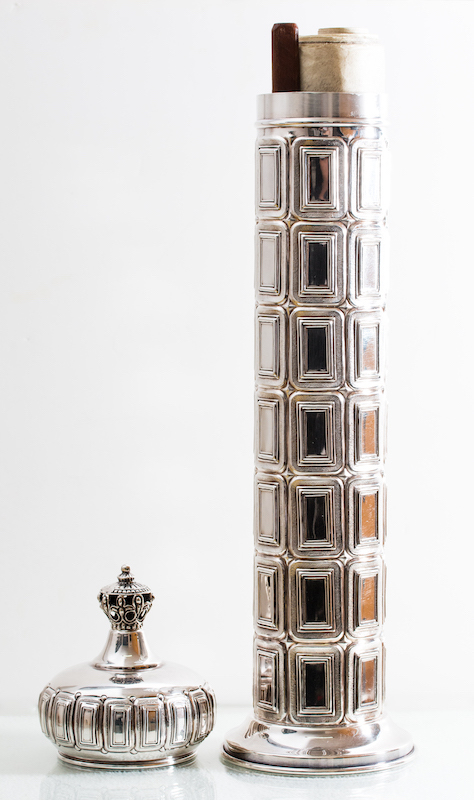

In the fourth century BCE, all of the Jews were subjects of the Persian Empire. King Ahasuerus, the presiding king of that time, had the rebellious Queen Vashti executed for not following his orders. When a beauty contest was held in order to find a new queen, a Jewish woman named Esther found favor in the king’s eyes and was chosen—all the while hiding her Jewish identity.
Some time later, Haman, the Prime Minister, convinced the king to exterminate all of the Jews, because a Jewish man named Mordecai (Esther’s cousin who had adopted her) refused to bow down to him. Haman chose the date for this massacre by casting lots, which fell on the 13th day of the Hebrew month of Adar.
Mordecai sent a copy of this evil decree to Esther, telling her that she had no choice but to approach the king and speak to him on behalf of the Jewish people, even though such an act was very dangerous. Approaching the king without being summoned could have gotten Esther killed. Furthermore, the king was still unaware of her Jewish identity. Esther and the Jews fasted and prayed for three days before she made this bold and courageous move.
Esther approached the king and revealed her true identity, stating that her people were about to be destroyed. He was favorable toward her, and in the end, the evil Haman was hanged, Mordecai was chosen to take his place as Prime Minister, and the Jewish people were saved. A new decree was issued that empowered the Jewish people to defend themselves and fight against anyone who tried to kill them.

Shushan Purim is unique among the holidays being that where you are depends on whether or not you celebrate it. It is only celebrated in Jerusalem (and a few other cities in Israel, such as Jaffa and Tiberias).
Around the world, Purim is celebrated on the 14th of Adar, but in walled cities, “Shushan Purim” is celebrated one day later, on the 15th of Adar. The Book of Esther relates that the 13th of Adar was when the Jewish people fought against and prevailed over their enemies in the Persian Empire, and on the 14th of Adar, they celebrated. However, in Shushan, the capital city of ancient Persia, the fighting lasted for two days, and the celebrations were held on the 15th of Adar. Therefore, the 15th of Adar is known as “Shushan Purim.”
Because Shushan was a walled city, the Sages instituted that cities which were walled during the time of Joshua are to celebrate Shushan Purim on the 15th of Adar, while other cities celebrate Purim on the 14th—and this is why residents of Jerusalem celebrate on the 15th.


Purim is about the miracle of Jewish survival despite the relentless efforts of their enemies. It’s a story about not giving up even when all appears lost. Esther had an inner beauty and strength which enabled her to act in a way which changed the world. We too can take on the character of Esther, find the hidden strength to take action, and make a difference—even when the situation seems hopeless and all appears lost.


Activities for this joyous holiday include:

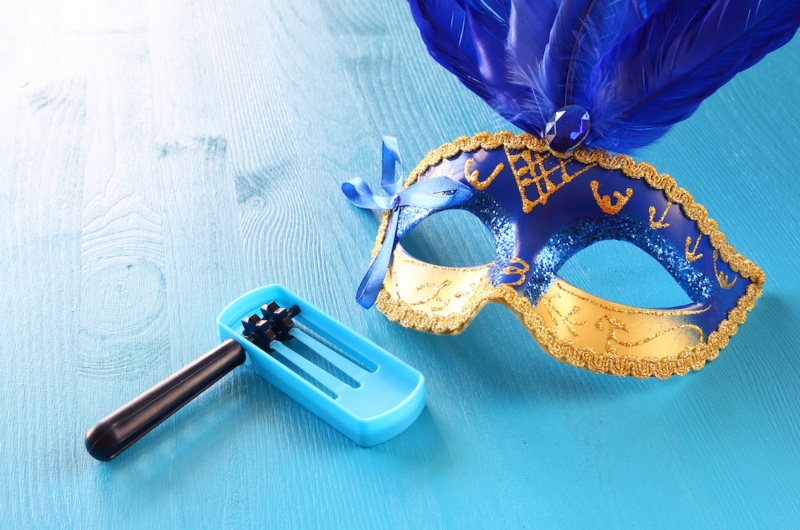
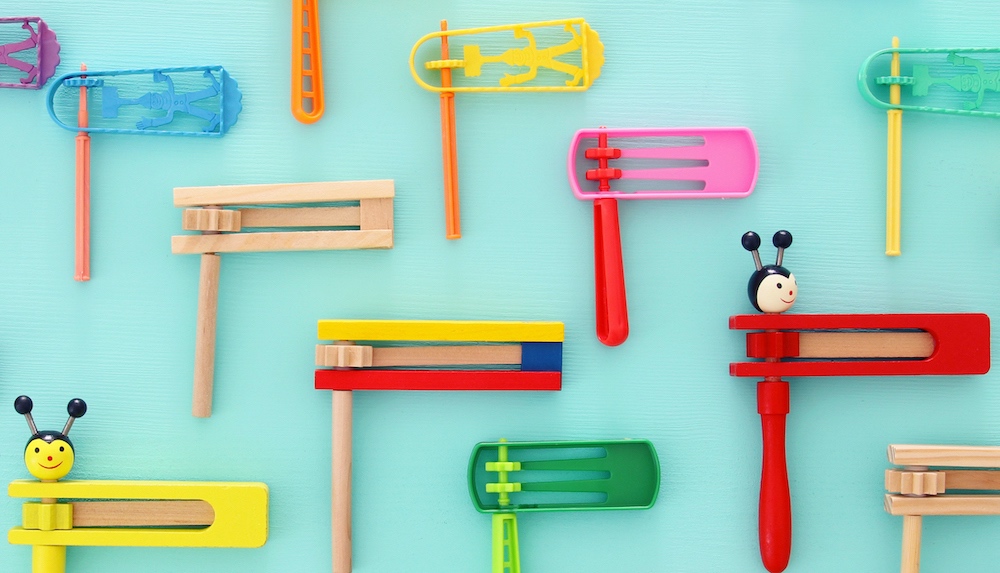
The whole Book of Esther, also known as Megillat Esther, details the Purim story. Hearing the Book of Esther is a central part of the holiday. During the reading, it is customary to make noise with a noisemaker called a gragger in Yiddish, or ra’ashan in Hebrew, every time Haman’s name is mentioned. This is done to drown out and symbolically erase his name and the memory of him.

The holidays can be especially difficult for those who are less fortunate. As we are all rejoicing in this festive holiday, it is important to remember those who are in need. Giving gifts of money or food to the poor helps make a difference in the lives of everyone.

A festive Purim meal is eaten with family and friends. Eat and drink, sing and laugh—it’s a joyous holiday!

Traditional greetings for this holiday are: Chag Purim Same’ach (Happy Purim) and Chag Same’ach (Happy Holiday)!

“Mishloach Manot,” literally “sending of portions” (found in Esther 9:19), are gift baskets consisting of ready-to-eat foods such as baked goods, wines and beverages, fruits, nuts, candy, cured fish, and cooked meats that are sent to family, friends, and strangers on Purim. Giving Mishloach Manot strengthens bonds between family, friends, and community, and ensures that everyone, especially the poor, has a festive meal on the joyous holiday of Purim.

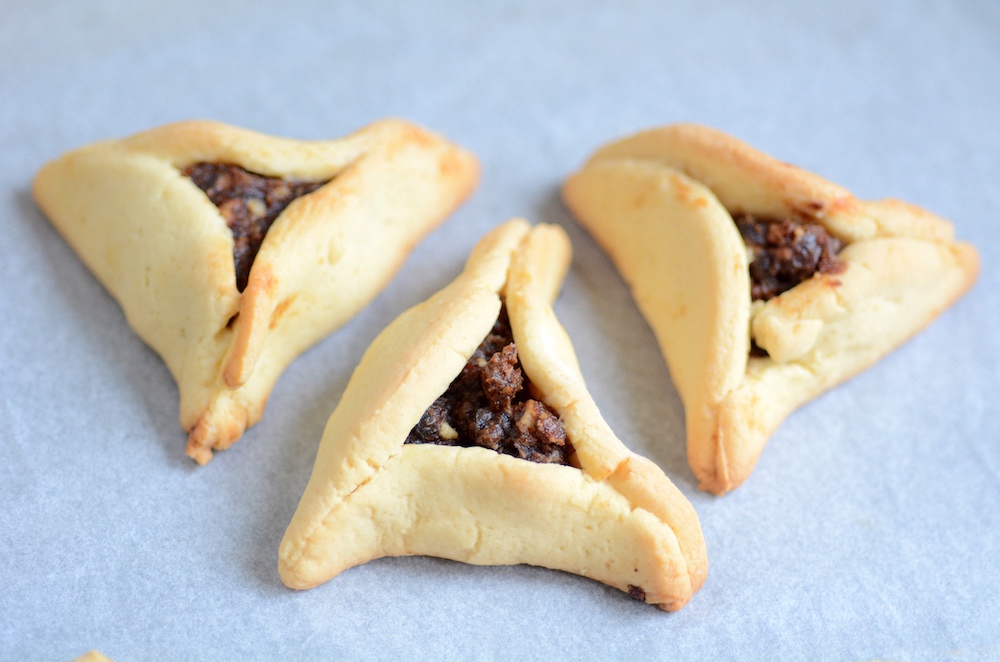
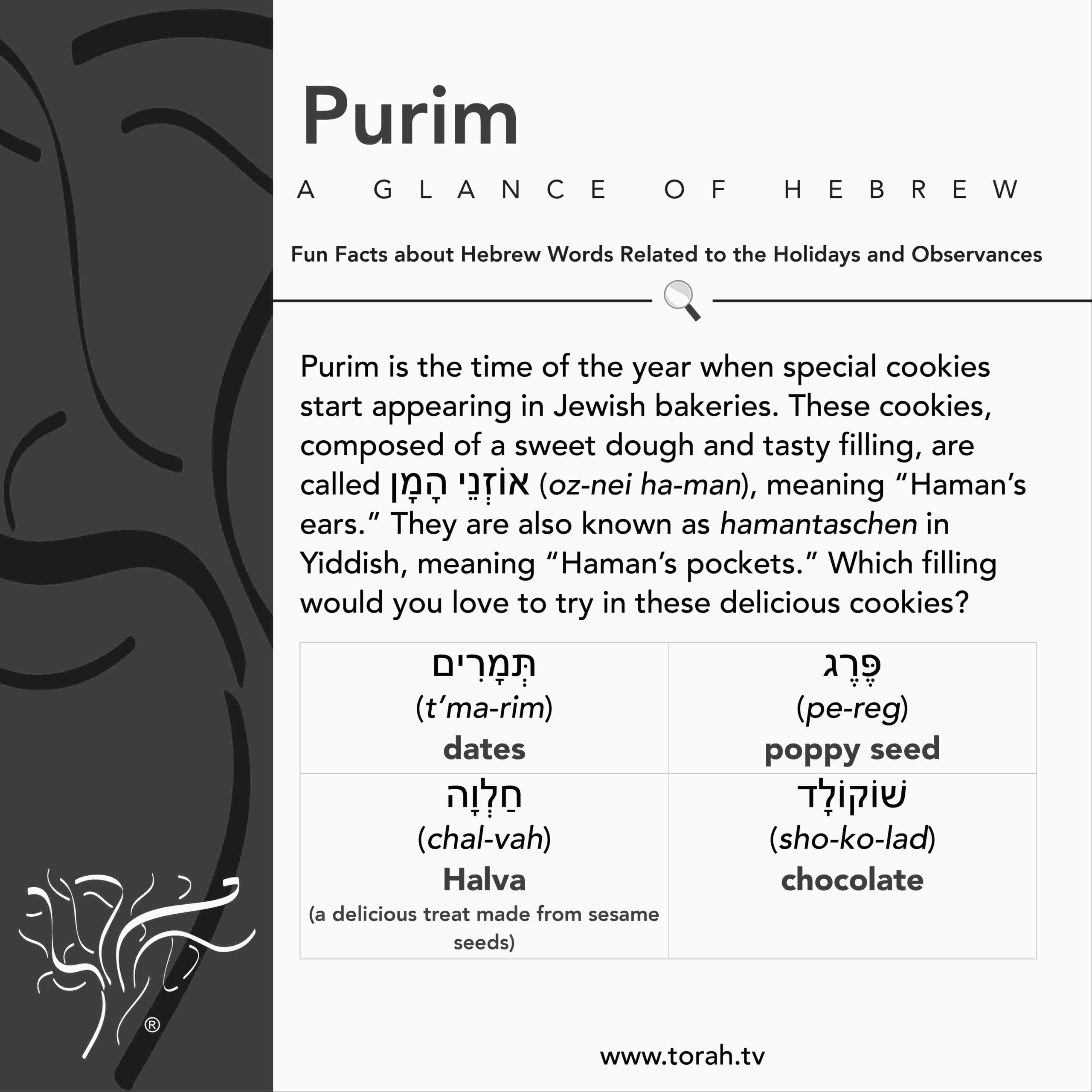
Another Purim custom is to eat three-cornered cookies called hamantaschen (“Haman’s pockets” in Yiddish), also known as oznei Haman (“Haman’s ears” in Hebrew). Their triangular shape is meant to resemble Haman’s hat, and they are usually filled with poppy seeds—but are also filled with jams, date paste, chocolate, and more.
The atmosphere on Purim is carnival-like, and dressing up in costumes and having festive parties is a popular part of the holiday. Many like to dress up as characters from the Purim story, or other characters from the Bible. But don’t be surprised if you see a soda can, box of cereal, or clown walking around!

Purim begins the evening of March 2, 2026, and ends the evening of March 3, 2026 (Adar 14 on the Hebrew calendar).
Shushan Purim begins the evening of March 3, 2026, and ends the evening of March 4, 2026 (Adar 15 on the Hebrew calendar).
Pronunciation Guide for Transliterated Hebrew Words
| a | [a] as in arm |
| ai | [ai] as in Thailand |
| e | [e] as in red |
| ei | [ei] as in eight |
| i | [i] as in ski |
| o | [o] as in score |
| oi | [oi] as in oil |
| u | [u] as in rule |
| ui | [ui] as in gluing |
| ch/kh | [ch] as in the Scottish loch |
| g | [g] as in good (not as in giant) |
| tz | [ts] as in hats |
| ‘ | short “eh” or “uh” sound |
The Hebrew Scriptures in this text have been derived from the Westminster Leningrad Codex (WLC), and the English translation is based off of the JPS 1917 Tanakh.
Simchat Torah Beit Midrash®
