Join us every Saturday, Monday, and Thursday for study sessions!

Head to our Locations page to find an STBM Center near you.

Interested in learning more?

Keep that study alive by checking out our ICTS™ registration page!

Want more of…this?

Watch Ralph Messer anywhere and anytime with our RRM™ Subscription!

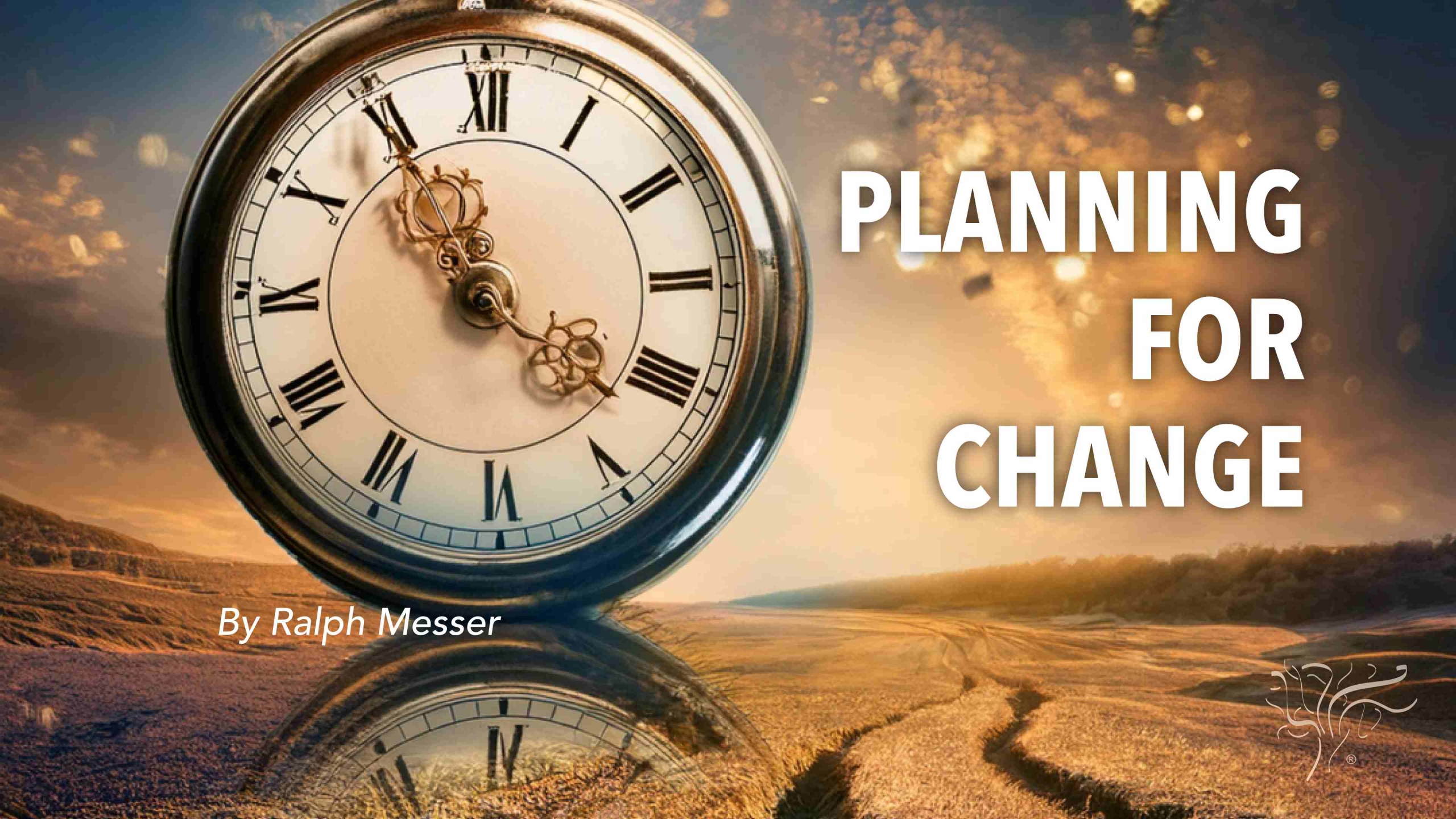
Planning for Change: Embracing Time, Change, and Divine Purpose

The world around us is in constant motion. Time—relentless and impartial—marches forward, while change shapes every moment of our existence. These two forces are guaranteed constants in life, impacting everyone without exception. The question isn’t whether time and change will occur, but how we handle them. Our success, fulfillment, and impact depend on how we manage these powerful forces.

The Divine Principle of Planning

The key to navigating life’s journey lies in planning. Planning is the most critical principle of success. Without a plan, time and change can lead to chaos, frustration, and missed opportunities. However, with thoughtful planning, we can harness these forces, directing them toward a meaningful purpose. As Jeremiah 29:11 reminds us, even God plans: “For I know the thoughts [plan] that I think toward you, saith the LORD, thoughts [plan] of peace, and not of evil, to give you a future and a hope” (JPS 1917, Jeremiah 29:11).

Planning isn’t just a practical tool; it is a reflection of our divine nature. Humans, unlike animals that live by instinct, possess the unique ability to design and shape their future. This capacity to plan sets us apart, allowing us to create circumstances rather than merely react to them. When we plan, we exercise the very essence of being made in God’s image.

Time and Change: Equal Opportunities for All

Each day, we receive 24 hours—no more, no less. Regardless of status, wealth, or position, everyone starts with the same gift of time. Similarly, change affects everyone. From the average individual to global leaders, no one escapes its reach. Success lies in how we respond to these equal opportunities.

A dream without a plan remains just that: a dream. You may envision a better life, a brighter future, or meaningful change, but unless you take actionable steps to achieve it, it will never materialize. Planning bridges the gap between dreams and reality, giving direction and purpose to our time.

The Power of a Good Plan

A good plan acts as a roadmap, showing not only the destination but also the best route to get there. While obstacles and detours may arise, a well-constructed plan provides the flexibility to adapt without losing sight of the goal. As Proverbs 21:5 teaches, “The thoughts of the diligent tend only to plenteousness; But every one that is hasty hasteth only to want” (JPS 1917, Proverbs 21:5).

Without planning, life’s challenges can overwhelm us. For instance, an unexpected setback, like losing a job or facing financial hardship, might feel like the end of the road. However, with a plan, such challenges become detours rather than dead ends. A plan provides clarity, resilience, and hope, ensuring that even in adversity, we can find a way forward.

God’s Planning Blueprint

The Torah exemplifies the principle of planning. It is God’s divine strategy for humanity, encompassing biblical principles that provide guidance for every aspect of life. These principles give structure to our time and align us with God’s eternal purpose. For instance, the appointed festivals of God—Passover, Shavuot, and Yom Kippur—serve as annual milestones in God’s divine plan, and teach how to live with intentionality and rhythm.

Even daily life is governed by divine planning. In Daniel 6:11, we learn that Daniel made it a practice to pray three times a day, which illustrates how planning can structure one’s time around spiritual priorities. Planning, whether for a day, a year, or a lifetime, connects us to God’s eternal timeline.

Planning and Purpose

Planning isn’t just about managing time; it’s about aligning time with purpose. Each of us has a unique mission from God. To fulfill that mission, we must intentionally direct our time and resources. This includes setting clear goals, seeking wise counsel, and regularly evaluating our progress.

Proverbs 20:18 advises, “Every purpose [plan] is established by counsel; And with good advice carry on war” (JPS 1917, Proverbs 20:18). Before making major decisions, seek guidance from trusted mentors, teachers, or advisors. Planning isn’t a solo journey—it’s a collaborative process that benefits from diverse perspectives and insights.

Overcoming Life’s Challenges

Life is full of challenges and unexpected twists. Whether it’s a personal failure, a financial crisis, or a sudden loss, these moments can feel overwhelming. Yet, with a plan, you can navigate even the toughest situations. A setback is not the end; it’s an opportunity to re-evaluate and adjust your course.

For example, if a poor decision leads to unintended consequences, like an unplanned pregnancy or financial trouble, don’t give up. Instead, create a new plan that accommodates the changed circumstances. As Proverbs 24:16 says, “For a righteous man falleth seven times, and riseth up again, But the wicked stumble under adversity” (JPS 1917, Proverbs 24:16). Planning empowers us to rise after every fall, turning failures into stepping stones for future success.

Conclusion: Inventing the Future

The best way to predict the future is to invent it. Through planning, we can align our lives with God’s purpose, manage time and change effectively, and navigate life’s challenges with confidence. As Isaiah 32:8 declares, “But the liberal deviseth liberal things; And by liberal things shall he stand” (JPS 1917, Isaiah 32:8).

Take the time to plan your life today. Whether it’s setting daily goals, mapping out your year, or envisioning your legacy, remember that planning is the key to living intentionally and fulfilling your divine mission. Life is a journey, and a good plan ensures you reach your destination with purpose and joy.