Join us every Saturday, Monday, and Thursday for study sessions!

Head to our Locations page to find an STBM Center near you.

Interested in learning more?

Keep that study alive by checking out our ICTS™ registration page!

Want more of…this?

Watch Ralph Messer anywhere and anytime with our RRM™ Subscription!

Unmasking Insolent Pride: A Biblical Perspective on Toxic Behaviors

In our relationships, we often encounter individuals who operate with insolent pride, a form of narcissism that the Bible references extensively. These individuals engage in behaviors that exploit, demean, and harm those around them, including intimate partners, family members, and friends. Their tactics distort reality, deflect responsibility, and evade accountability—all hallmarks of a proud and haughty spirit.

The Biblical Foundation: Defining Insolent Pride

The Bible equates narcissism with “insolent pride.” Proverbs 21:24 declares, “A proud and haughty man, scorner is his name, Even he that dealeth in overbearing pride” (JPS 1917, Proverbs 21:24). The Hebrew term used here for “overbearing pride” encapsulates arrogance, insolence, and presumptuous pride. Prideful individuals—those characterized by narcissism—cause strife and dysfunction. As Proverbs 13:10 warns, “By pride cometh only contention; But with the well-advised is wisdom” (JPS 1917, Proverbs 13:10).

While it’s tempting to recognize pride in others, the Bible challenges us to examine ourselves first. If pride remains unchecked in our lives, it can lead to destruction, as stated in Proverbs 16:18: “Pride goeth before destruction, And a haughty spirit before a fall.” (JPS 1917, Proverbs 16:18).

The Playbook of Manipulation: Tactics of Arrogant Control

Those driven by insolent pride often wield subtle yet destructive tools to dominate, silence, and demean others. These tactics can erode self-confidence and distort reality. Let’s explore their common strategies and ways to counteract them:

  • Distorting Reality: This tactic seeks to undermine your perception of truth, making you question your reality and self-trust. Response: Anchor yourself in truth by journaling your experiences, confiding in a supportive community, and seeking wisdom grounded in Torah principles.
  • Blaming Others: Shifting responsibility for personal faults onto you to avoid accountability. Response: Recognize these false accusations for what they are. Strengthen your self-awareness and consult trusted advisors for perspective.
  • Confusing Conversations: Engaging in circular arguments to disorient and sidetrack you. Response: Refuse to be drawn into pointless debates. Focus your energy on nurturing your emotional and spiritual well-being.
  • Sweeping Claims: Using oversimplified statements to dismiss or invalidate your thoughts and experiences. Response: Resist all-or-nothing thinking by holding on to the complexities of truth and embracing nuance.
  • Twisting Words: Deliberately manipulating what you say to cast you in a negative light. Response: Stand confidently in your truth, clarify your intentions when needed, and establish healthy boundaries.
  • Impossible Standards: Setting ever-changing criteria to make you feel inadequate. Response: Recognize this behavior as a control mechanism. Affirm your self-worth apart from anyone’s shifting expectations.
  • Redirecting Accountability: Steering conversations away from their own accountability by introducing unrelated topics. Response: Stay on course, redirect to the main issue, and disengage if necessary to protect your peace.
  • Control through Fear: Using subtle or direct intimidation to maintain power. Response: Recognize threats as manipulative red flags and prioritize safeguarding your emotional and mental space.
  • Undermining Confidence: Resorting to insults or derogatory remarks to weaken your resolve. Response: Refuse to let such labels define you. Walk away from harmful exchanges and hold onto your inner strength.
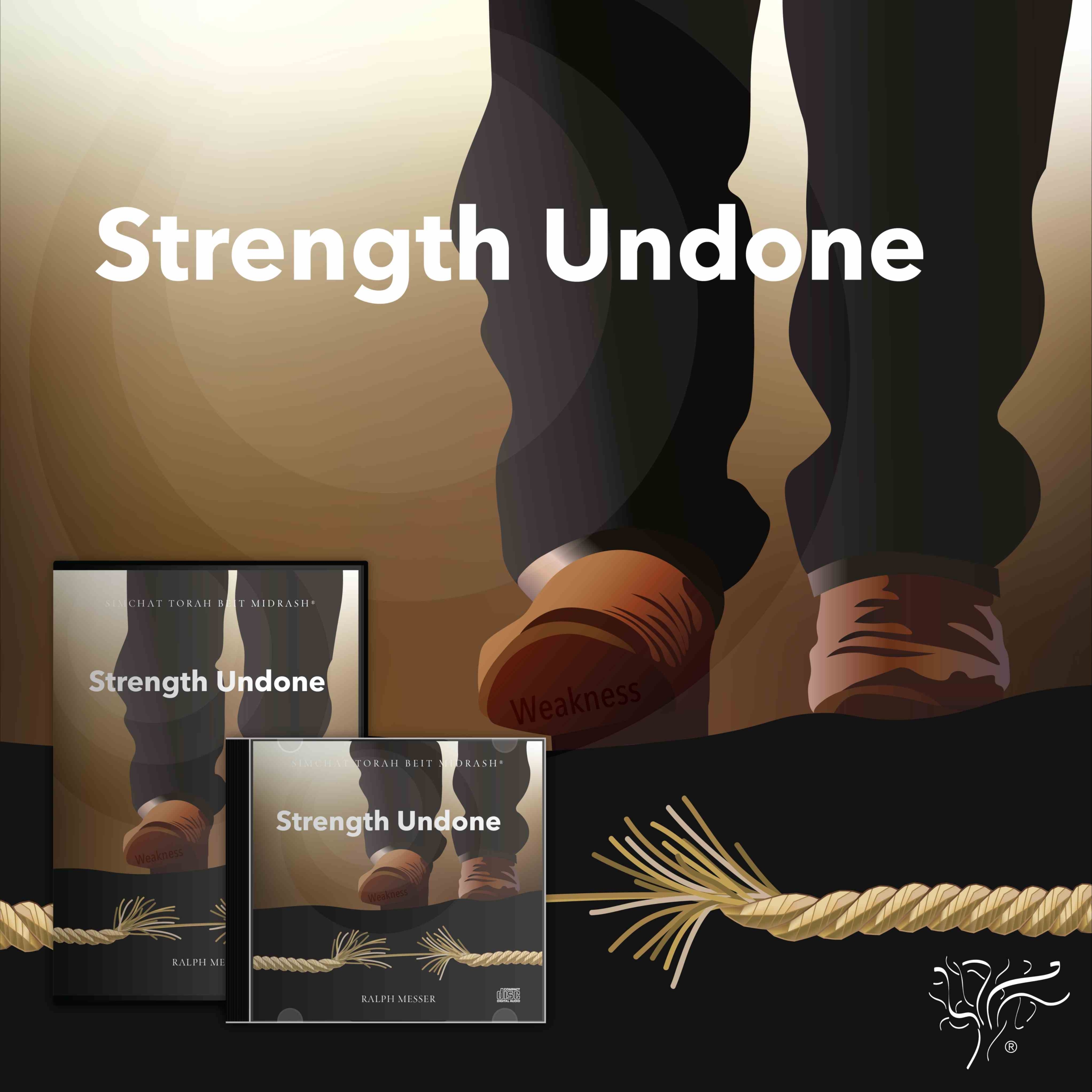
  • Weaponizing Your Strengths: Linking your talents or positive traits with painful consequences to suppress your potential. Response: Reclaim ownership of your strengths and reject fear-based attempts to control you.

These tactics are designed to destabilize and diminish, but recognizing them is the first step toward resilience. Strengthen your boundaries, seek guidance, and align your actions with your higher purpose.

Steps to Overcome Insolent Pride in Ourselves

Recognizing pride in others is far easier than confronting it within ourselves. Yet, the Bible calls us to cultivate humility and love through intentional practice. Here are steps to confront pride:

Seek Perspective: Actively listen to others and take their thoughts and feelings seriously.
Eliminate “But”: Replace this dismissive word with “and” or “at the same time” to validate differing viewpoints.
Embrace Love: Operate in the attributes of love as described in the Bible, such as loyalty, justice, compassion, and generosity.
Practice Empathy: Learn to respond to others’ emotions with support rather than defensiveness.

The Antidote: Love Over Pride

Ultimately, love is the antidote to insolent pride. Leviticus 19:18 calls us to “…love thy neighbour as thyself…” (JPS 1917, Leviticus 19:18). This profound command dismantles pride and fosters relationships built on humility, empathy, and mutual respect. By operating in love, we not only free ourselves from pride but also create environments where healing and growth can flourish.

Conclusion

Insolent pride, or narcissism, is a destructive force that erodes relationships and distorts self-perception. However, through self-awareness, biblical principles, and the practice of love, we can confront this dysfunction in ourselves and resist its impact in others. Let us strive to embody humility and love, ensuring our lives reflect the character of God and the wisdom of the Torah.