Join us every Saturday, Monday, and Thursday for study sessions!

Head to our Locations page to find an STBM Center near you.

Interested in learning more?

Keep that study alive by checking out our ICTS™ registration page!

Want more of…this?

Watch Ralph Messer anywhere and anytime with our RRM™ Subscription!

The Biblical Way to Prosper

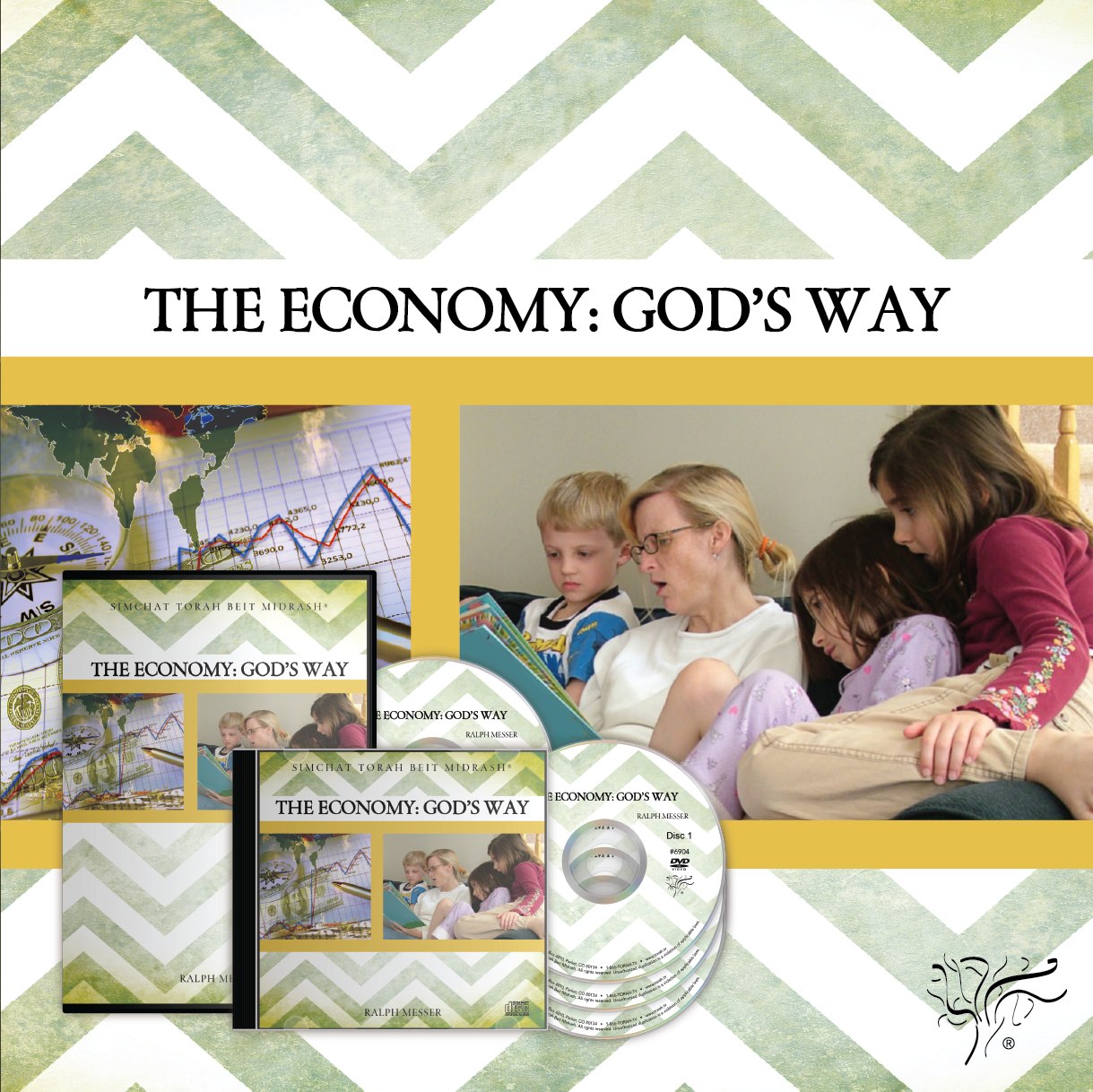
What can ancient biblical wisdom possibly teach us about money, success, and financial prosperity? At first glance, you might assume these teachings have little relevance to modern business. But let’s challenge that assumption.

When we think of financial wisdom, names like Bill Gates, Warren Buffett, or even Donald Trump might come to mind. Each of them has a unique path to wealth, shaped by circumstances most of us don’t share—family connections, specific economic timing, or exceptional IQ. If you didn’t grow up with thousands of real estate units in Manhattan or an international lawyer for a father, their insights may not directly apply to you

But what if the most practical financial wisdom has been around for thousands of years—hidden in ancient biblical teachings that have guided communities through prosperity and hardship alike?

The Jewish Financial Secret

For centuries, Jewish communities have demonstrated a disproportionate ability to generate wealth. This is not a stereotype—it’s a historical and economic fact. Whether in prosperous nations or under oppressive regimes, Jewish people have excelled in business at remarkable rates.

Is it high IQ? No. Intelligence, in fact, can sometimes be a disadvantage in financial success. Many brilliant individuals end up in academia, where money management isn’t exactly a strong suit.

Is it a particular genetic trait? Unlikely—otherwise, scientists would have bottled and sold it by now.

Is it chicken soup? A comforting thought, but no.

The real answer lies in ancient biblical wisdom—timeless principles embedded in the Torah that guide wealth creation, business success, and economic resilience.

Prosperity Begins with Connection

One of the most powerful insights from biblical wisdom is the importance of relationships. Genesis 2:18 states:

It is not good that the man should be alone” (JPS 1917, Genesis 2:18).

This is more than a statement about Adam needing a wife. It’s a fundamental principle: Isolation leads to poverty.

Financial success is directly proportional to the number of real, meaningful relationships you cultivate. No, not Facebook friends—real connections. People who know you, trust you, and will return your call within 24 hours.

Jewish communities thrive because they do business with each other. They actively help and refer one another. The habit of connection and mutual support is an economic multiplier.

The Power of Specialization

Another key biblical principle is specialization. Just as the tribes of Israel each had distinct roles, financial success comes from honing a skill that others need. Consider the story of Samuel Colt, the firearms manufacturer in the 1800s. Initially, his workers each built entire revolvers by themselves. When he introduced specialization—having each worker master a specific part of the process—production doubled, and wages increased.

Why does God care about specialization? Because it forces interdependence. In a specialized economy, people rely on each other. That mutual reliance fosters prosperity and community strength.

The Spiritual Nature of Money

Money is not just material—it’s deeply spiritual. Many people misunderstand money, believing that if someone earns more, someone else must have less. But that’s not how wealth works.

Here’s an idea: Instead of just praying for money, pray for the ability to serve more people. Instead of saying, “God, help me pay my rent,” you can say, “God, open my eyes to more people who need my services.” Money naturally follows service.

This mindset eliminates greed. A greedy person hoards money, but a truly prosperous person is a giver. Giving resets your mindset from scarcity to abundance.

Why Retirement Is a Mistake

Retirement is often seen as the ultimate financial goal, but biblically speaking, it’s one of the worst things a person can do. Why? Because it signals that you’ve stopped serving others.

If your accountant suddenly retired before tax season, how would you feel? Likely, you’d think, “Don’t you care about me?!” And that’s the key—if you stop contributing to others, why should God continue blessing you?

People who retire often experience rapid decline in health and mental sharpness. The biblical model is not to stop working, but to build the ability to retire—so that work becomes a choice, not a necessity.

The Best Business Advice from the Bible

If you want to build lasting wealth, follow the habits of the most prosperous biblical figures:

  1. Abraham – built long-term relationships and trust.
  2. Isaac – used patience and perseverance in economic hardship.
  3. Jacob – developed strategic business agreements and alliances.
  4. Joseph – mastered financial planning and taxation strategies.
  5. Zebulun – understood the power of trade and market adaptation.
These figures didn’t just accumulate wealth; they sustained it for generations. The key? They saw money not as an end, but as a means to serve others and fulfill their purpose.

Conclusion

True financial success is not about luck, intelligence, or inheritance. It’s about wisdom—specifically, biblical wisdom. The Torah contains hundreds of insights into wealth-building that are just as relevant today as they were thousands of years ago.

Maybe it’s time to rethink what true prosperity means—and start applying these timeless principles to your own life.