Join us every Saturday, Monday, and Thursday for study sessions!

Head to our Locations page to find an STBM Center near you.

Interested in learning more?

Keep that study alive by checking out our ICTS™ registration page!

Want more of…this?

Watch Ralph Messer anywhere and anytime with our RRM™ Subscription!

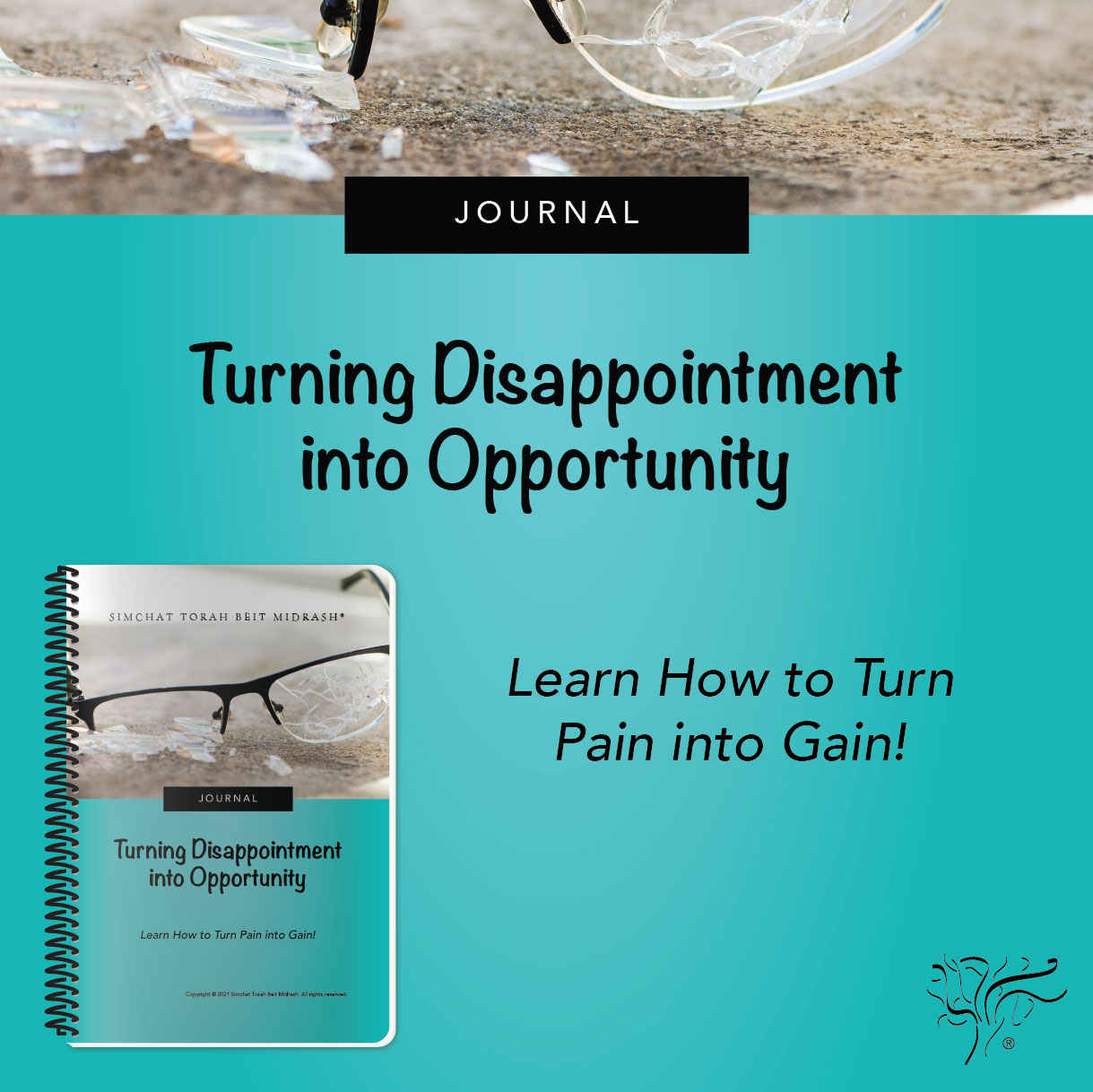
Steps to Transform Disappointment into Growth: A Guide to Mental Wellness

Life is full of ups and downs, and one universal experience is disappointment. Whether it’s a missed opportunity, a failed expectation, or someone letting you down, disappointment is unavoidable. But here’s the good news: you can take proactive steps to handle it in a way that strengthens your mind and helps you grow.

Today, I’ll walk you through five practical steps to deal with disappointment, and together, we’ll turn those tough moments into opportunities for learning and resilience.

Step 1: Acknowledge Your Disappointment

The first step is simple yet profound: admit to yourself that you are disappointed.

We often suppress negative emotions, telling ourselves we shouldn’t feel this way. But disappointment is real and rooted in your experience, which means it’s already imprinted on your brain. Ignoring it only gives it power to harm your mental and emotional health.

What to do:
Say it out loud or write it down: “I’m disappointed because…” Acknowledge your feelings without judgment. This awareness is the foundation for moving forward.

Step 2: Reflect on the “Why”

Once you’ve acknowledged the disappointment, it’s time to dig deeper. Reflection involves asking yourself “why” questions to uncover the root cause of your feelings.

For example:

  • Why am I disappointed? A colleague let me down.
  • Why does that frustrate me? I trusted them, and they didn’t follow through.
  • Why does that hurt? It jeopardized my work and made me feel unappreciated.

As you keep asking “why,” you’ll notice patterns and deeper truths emerging. This process allows you to fully understand the source of your disappointment.

Step 3: Write It Down

Now that you’ve reflected, document your thoughts. Writing helps you clarify your feelings and provides insights into how to move forward.

Why writing works:

  • It externalizes the problem, reducing its emotional weight.
  • It reveals potential solutions and action steps.
  • It gives you a tangible record to revisit when you need perspective.

Pro Tip:
Build a two-column list:

  • On one side, write the disappointment.
  • On the other, write what you’ve learned or how you can grow from it.

Step 4: Edit and Reframe

With your thoughts on paper, you can now revisit them with fresh eyes. This editing step allows you to reframe the situation and gain a broader perspective.

For instance, if someone let you down, consider what might have driven their behavior. Maybe they were overwhelmed or struggling with their own challenges. Shifting your focus from frustration to understanding can foster forgiveness, freeing you from emotional burden.

Remember: You can’t control others’ actions, but you can control your reactions.

Step 5: Take Action

The final step is turning reflection into action. Use what you’ve learned to take practical steps forward.

For example:

  • If you didn’t get a dream job, identify areas for self-improvement and set new goals.
  • If someone betrayed your trust, decide how to set boundaries or rebuild that relationship.

Taking action transforms disappointment into a stepping stone for growth.

A Real-Life Example

Let’s say you were overlooked for a promotion.

  1. Acknowledge: “I’m disappointed I didn’t get the job.”
  2. Reflect: Ask yourself why this hurts. Maybe you realize it’s because you equated the job with personal validation.
  3. Write: Document how you feel and what you’ve learned about yourself.
  4. Edit: Reframe your thoughts. Perhaps not getting the role opens doors to new opportunities or highlights areas for growth.
  5. Act: Commit to a plan—whether that’s improving skills, seeking feedback, or exploring other opportunities.

The Takeaway

Disappointment isn’t just an emotional hurdle; it’s a chance to grow. By acknowledging, reflecting, writing, editing, and acting, you can transform life’s setbacks into meaningful progress.

The next time disappointment knocks on your door, don’t let it drag you down. Instead, embrace these steps and discover the opportunities waiting on the other side. You’ve got this!