Join us every Saturday, Monday, and Thursday for study sessions!

Head to our Locations page to find an STBM Center near you.

Interested in learning more?

Keep that study alive by checking out our ICTS™ registration page!

Want more of…this?

Watch Ralph Messer anywhere and anytime with our RRM™ Subscription!

A Journey Through Darkness and Illumination

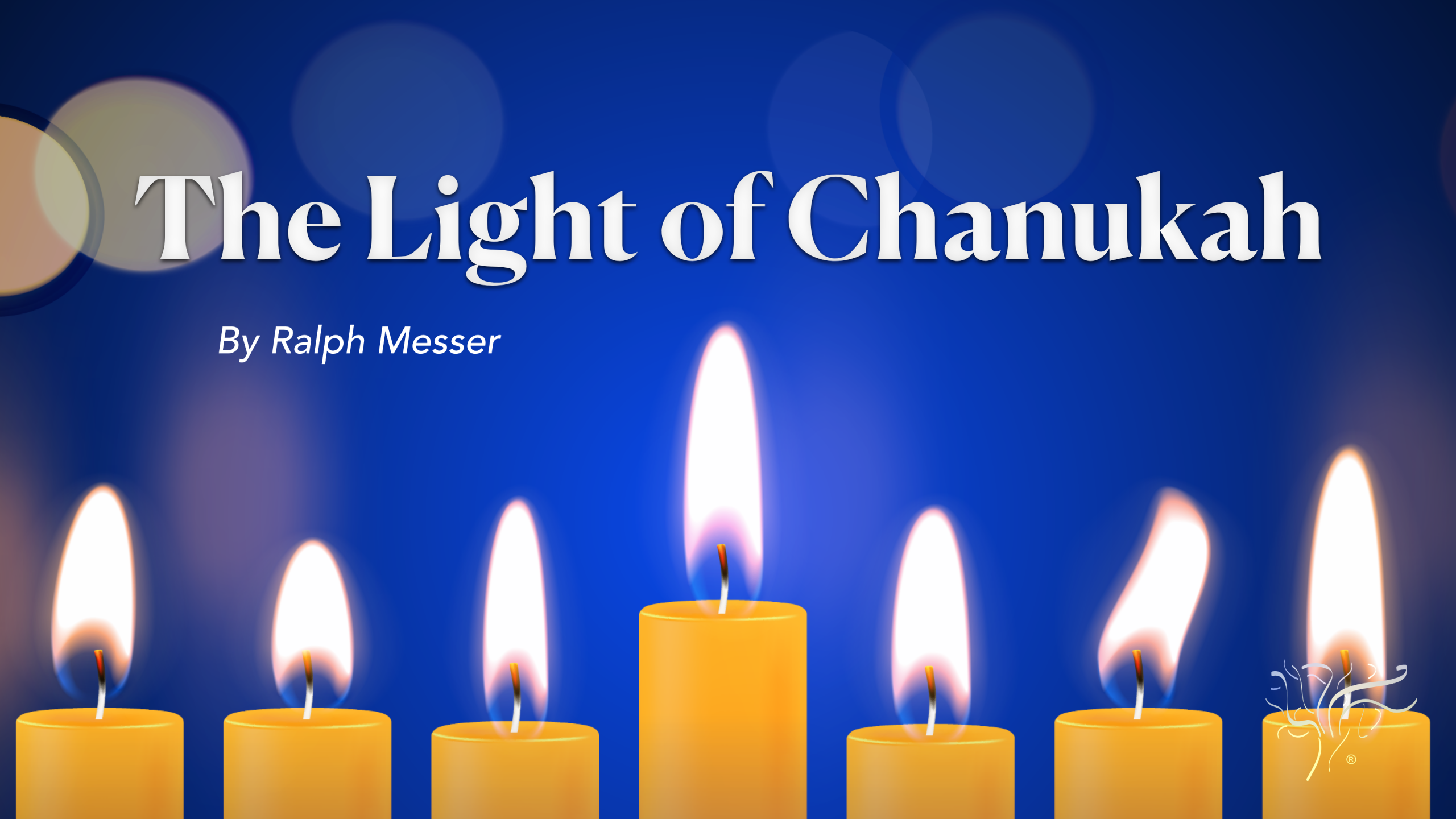
Chanukah, the Festival of Lights, shines as a beacon of inspiration, and carries within it profound lessons about beginnings, resilience, and the power of light in darkness. Let’s delve into an idea from Jewish thought that underpins the holiday and extends into every aspect of Torah and life itself.

A Tale of Two Offerings: Aaron’s Anguish

The Torah juxtaposes two sections: the inauguration gifts of the tribal princes for the Mishkan (Tabernacle) and the mitzvah (commandment) of Aaron lighting the menorah. According to one rabbi, Aaron was distressed at being excluded from the tribal princes’ historic moment of dedication. Aaron, whose essence was service to the God of Creation, felt sidelined. In response, God consoled him with the task of lighting the menorah. Yet, why was this act more significant than his other sacred roles, such as offering incense or entering the Holy of Holies?

Another rabbi expands on this mystery, proposing that Aaron’s anguish stemmed from a deeper yearning—to be part of the inception, the very foundation of sanctity. The dedication of the Mishkan marked the beginning of something eternal, and Aaron longed for a role in that initial spark.

The Mystery of Light and Beginnings

The Hebrew word Chanukah itself means dedication and inception. In Hebrew thought, everything follows its beginning. The way a process starts shapes its entire trajectory. From the genetic inception of life to the inception of a spiritual journey, beginnings are formative.

This theme plays out across Torah and life. According to Jewish writings, before birth, a child is taught all of Torah in the womb, only to forget it at birth. The “forgetting” is not a loss but a hiding—a challenge to rediscover what was once known. The light of inspiration is gifted, taken away, and then must be rekindled through effort and commitment.

The Two Lights: Perfect and Enduring

Creation itself mirrors this process. The first light was intense and perfect, but it left the world. The second light, dimmer but enduring, became humanity’s to ignite and sustain.

This duality is seen in the two sets of Tablets of the Ten Commandments. The first set of Tablets, miraculous and divine, were broken. The second, carved by Moses, required human effort—and they lasted. Similarly, the first Temple burned with Divine Presence, but it did not endure. The second Temple, humbler and darker, birthed Chanukah—a testament to human resilience.

Chanukah: The Work of the Second Light

Chanukah’s miracle, the rekindling of the menorah by the Maccabees, symbolizes the second light—the light they lit in darkness. It wasn’t the cosmic light of the Mishkan’s menorah but a small flame in defiance of overwhelming darkness. It is this light, born of effort and dedication, that endures.

The ancient Jewish sages teach that our generation lives in this second phase. The darkness isn’t a sign of abandonment but an invitation to ignite one’s own light. The small flame of the chanukiah, lit in the windows of one’s home, is a declaration that even in the darkest times, light has the power to endure.

Lessons for Life

Chanukah teaches that life’s challenges mirror its spiritual truths. Inspiration is often fleeting, given as a taste of what could be. When that inspiration fades, the real work begins. Whether in relationships, learning, or faith, the second phase—the phase of effort—is where true growth happens.

Aaron’s consolation was not in the menorah he lit in the Mishkan, but in the legacy of light his descendants would kindle centuries later. The small Chanukah lights, burning against the odds, represent the power to illuminate the world’s darkest corners with enduring light—light that is lit in darkness.

May this Chanukah be a reminder to kindle one’s own flames—to transform darkness into light for a brighter future.